

Boutique Croatian Producers
Discover the stories, traditions, and microclimates of the family run estates crafting the rare, sea-swept vintages in our collection.
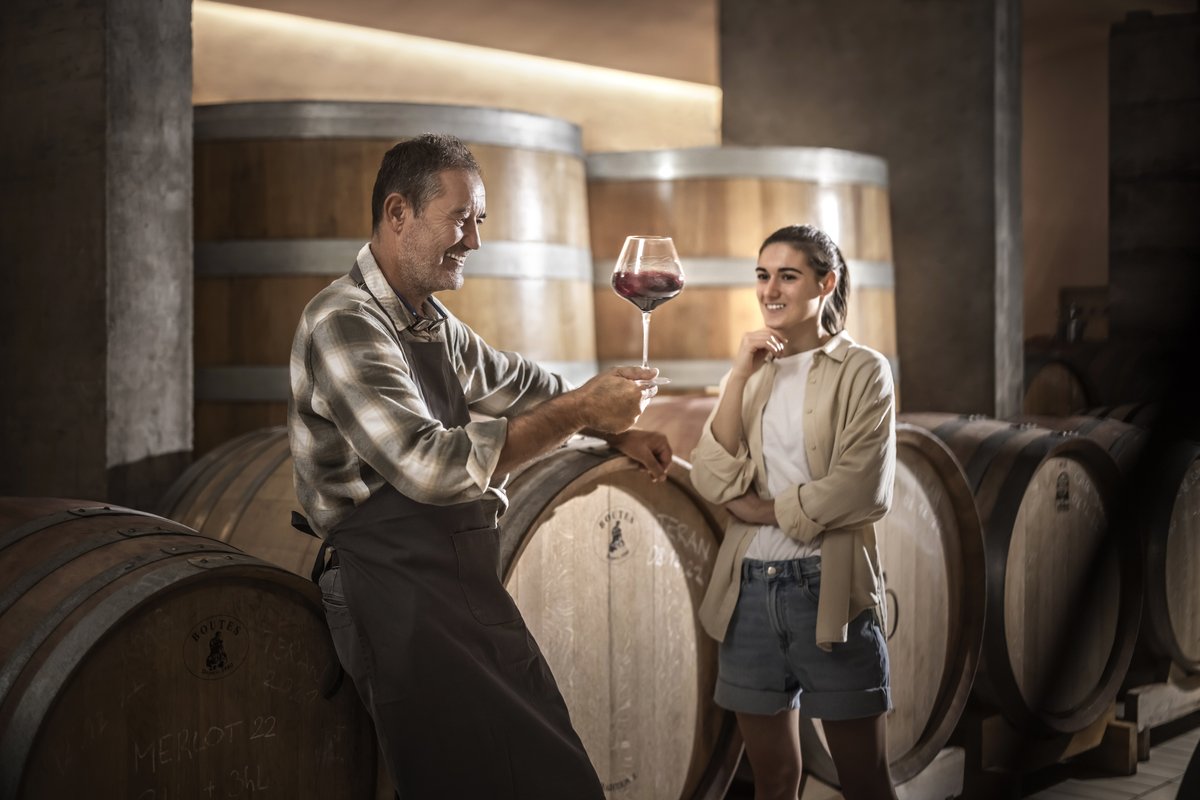

Nestled in the famous "Bosco Grando" wine-growing location near Umag, just 2.5 kilometers from the Adriatic Sea, the Coronica estate represents a profound connection to ancestral land. Today, Moreno Coronica works hand-in-hand with his daughter Serena, blending decades of experience with a fresh vision for the future. The winery cultivates 23 hectares of vineyards on the iconic terra rossa—an iron-rich, mineral-dense red soil that is extremely rare globally. Passed down through generations, the family's viticultural passion is poured directly into Istria's signature native varieties: Malvazija Istarska and Teran. Coronica’s wines, particularly the aged Gran Malvazija and structured Gran Teran, are benchmark representations of Istrian terroir, showing immense depth, salinity, and exceptional aging potential.
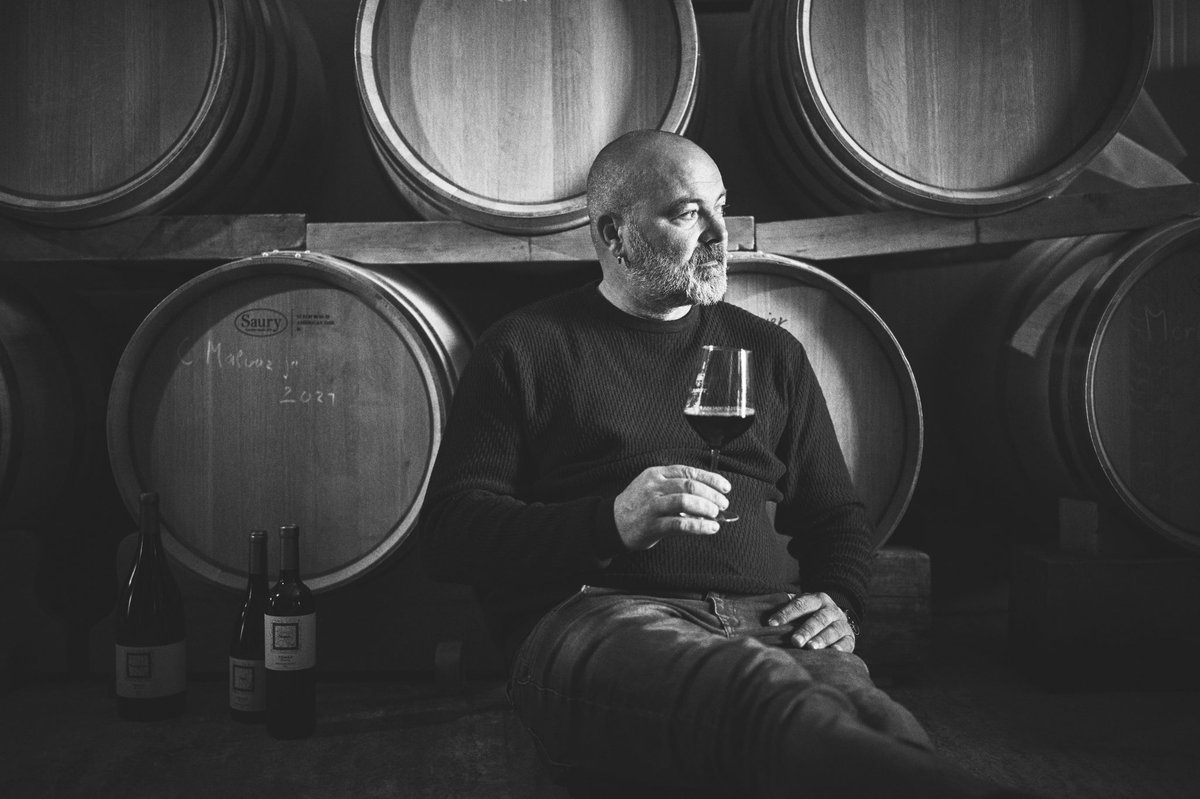

Rooted in a viticultural heritage that began in 1918 when Grandfather Petar Tomaz first cultivated vineyards for family needs, the Tomaz estate has evolved into one of Motovun's premier wine estates. While the knowledge was passed down through generations by father Bruno, it was Klaudio Tomaz who in 2009 recognized the true potential of the Istrian terroir and established the commercial winery—a passion he now proudly shares with his son Antonio. Spanning 30 hectares of vineyards across the sun-drenched clay and marly slopes of Motovun, the vines benefit from a unique microclimate where Mediterranean warmth meets continental drafts. This creates large temperature swings between day and night, resulting in slow ripening, intense aromatics, and rich minerality. Guided by their core philosophy of "work, knowledge, and imagination," the family continues to craft exceptional wines from native varieties, including Istrian Malvazija, Teran, and Muscat.


Dedicated to patient, natural winemaking, Mladen Rožanić crafts long-macerated amber (orange) and classic red blends at his design winery in Motovun, Istria. Roxanich follows a low-intervention philosophy where wines age in giant wooden foudres and large oak vats for up to a decade before bottling. Sourced from organic vineyards in Višnjan across Western Istria's iron-rich red soils (Terra Rossa), the wines undergo spontaneous fermentation with wild yeasts and are bottled unfiltered with minimal sulfur. This slow maturation process yields profound, multi-layered wines of exceptional complexity, showing dried figs, honeyed almonds, and deep, savory herbal depth.
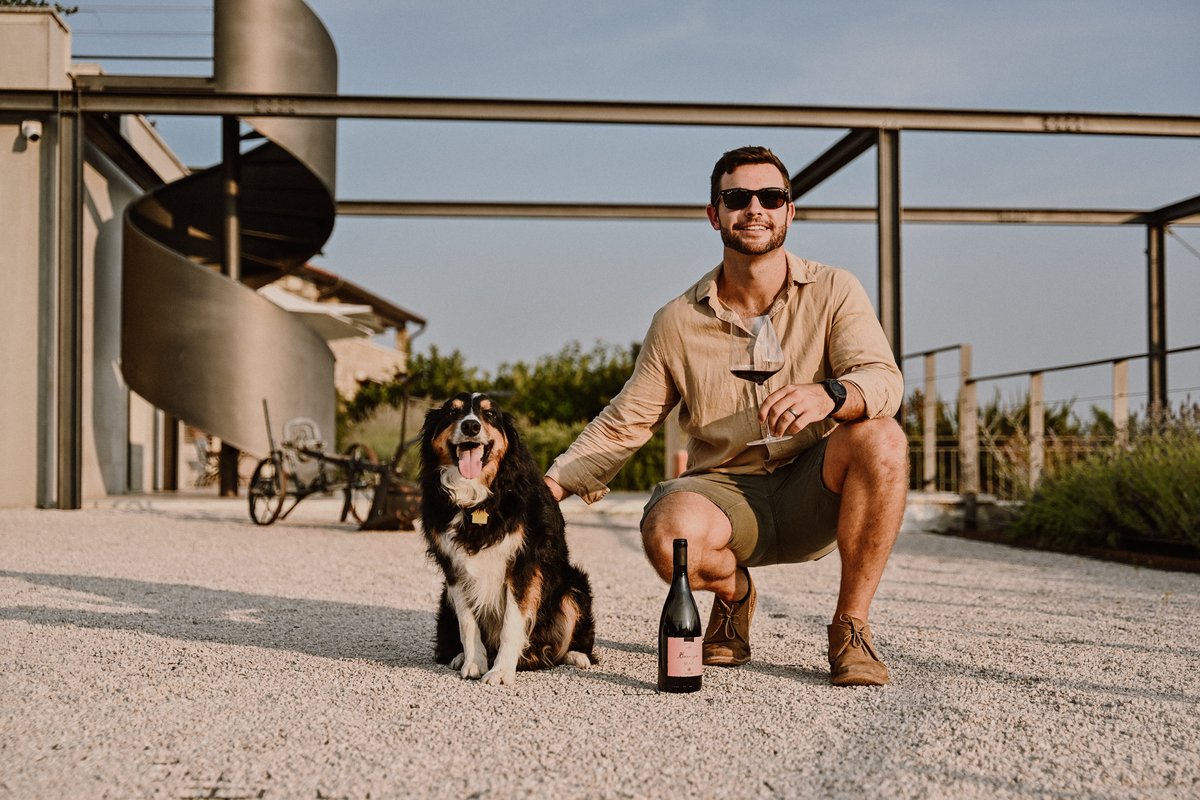

Located in the tiny hilltop village of Krasica, the Clai estate is a globally celebrated pioneer of natural, organic, and biodynamic winemaking in Croatia. Today, Tim Whitfield, the guardian of Clai Winery's legacy, follows the belief that great wine is made in the vineyard, preserving the estate's core philosophy of restoring complete biological balance between soil, plant, and animal. The estate cultivates mixed vineyards and olive groves without synthetic fertilizers or treatments. Clai is famous for skin-contact maceration (orange wine) techniques on white varieties like Malvazija Istarska, creating the iconic, complex Ottocento Bijeli and Baracija Malvazija. The wild-fermented, unfiltered wines of Clai are raw, complex, and deeply expressive, capturing the pure natural soul and ancient limestone character of Istria.
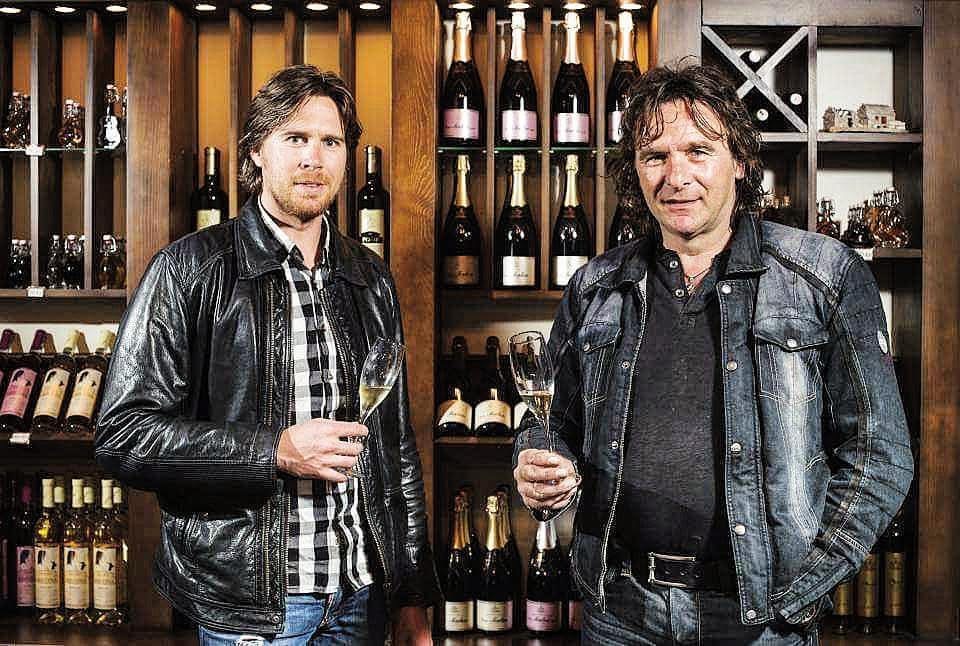

Headquartered in Potomje, Matuško is synonymous with the modern renaissance of Dalmatian fine wine. Mato Matuško, a pioneer of the Pelješac Peninsula, has spent decades showcasing the steep, triple-reflected light vineyards of Dingač—a passion and craft now shared with his son, who works alongside him to produce the estate's acclaimed wines. Here, precipitous 45-degree limestone cliffs plunge directly into the clear Adriatic Sea, bathing the native Plavac Mali vines in intense solar radiation from three sources: the sun itself, the reflecting sea, and the white limestone rocks. This extreme microclimate produces monumental, robust reds with notes of dark plum, dry fig, and tobacco. While Plavac Mali is grown exclusively on these precipitous sea cliffs, Matuško also cultivates fresh, mineral Pošip and rare indigenous Grk whites from dedicated vineyard sites across other areas of the Pelješac Peninsula.
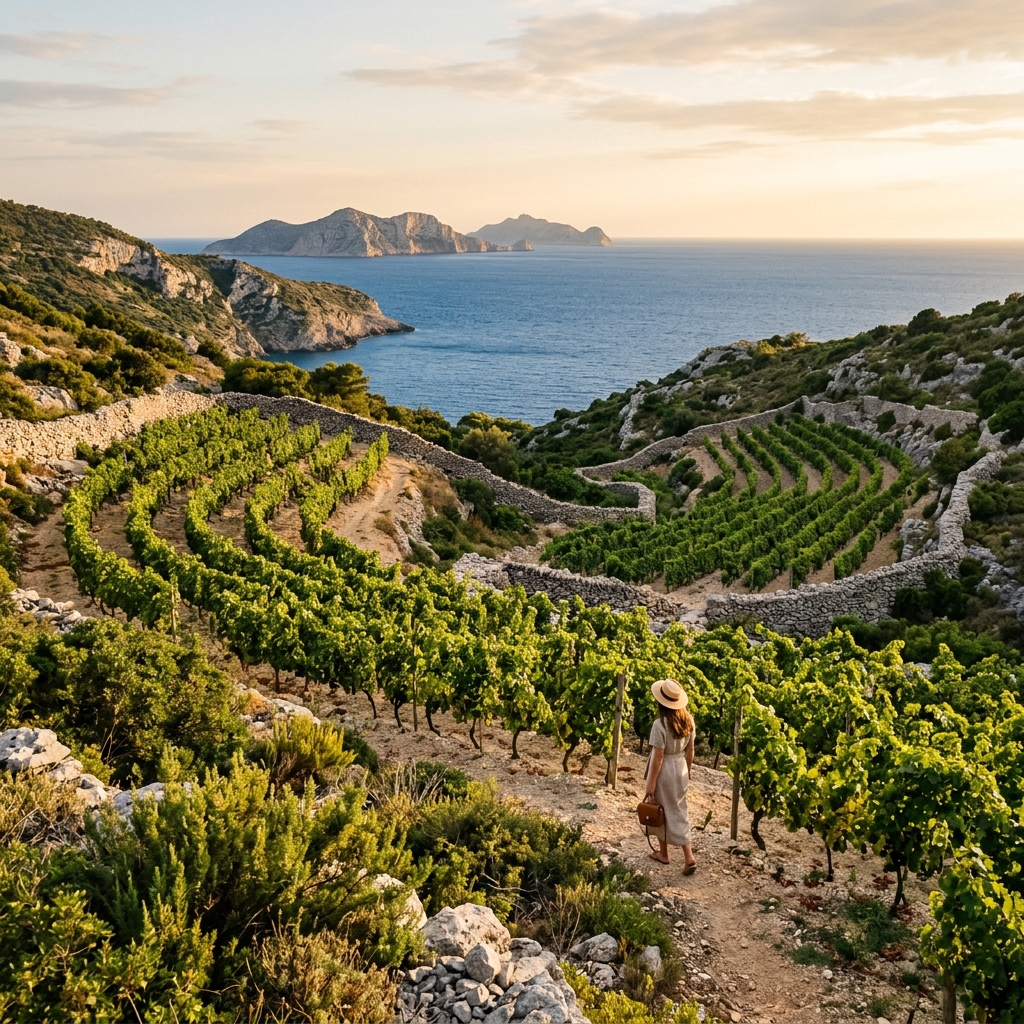

The name Vislander honors a historic alliance formed in 1944 on the isolated island of Vis. During a severe wartime food shortage, grandmother Franka and grandfather Jure poured their Plavac Mali wine into bottles and traded them with the British soldiers protecting the local Allied airbase. They exchanged their wine—the fruit of intense sun and sandy soils—for dry military rations, trading Plavac Mali for biscuits, canned meats, and even cocoa powder. Today, Vislander cultivates indigenous Plavac Mali and Vugava grapes in those very same sandy fields of Milna, Tihobraće, Vošćice, Ljubišće, and Dračevo polje. These deep-rooted vines yield wines of exceptional salinity and concentrated fruit, carrying forward a legacy of hope, survival, and shared friendship.
Explore the Collection
Browse the handpicked, boutique allocations imported directly from these producers to the United Kingdom.
View Wines Showroom